
Signet Insurance Group of Las Vegas, NV
Home, Business, Auto & Umbrella Insurance Brokers
Insurance shouldn’t be stressful! Signet Insurance Group offers expert auto, home, business, watercraft and umbrella insurance policies rooted in experience and benevolence.
We are a locally owned and operated, independent insurance agency, with decades of combined experience, striving to provide the highest level of service to homeowners, renters, business owners and motorists throughout the great States of Nevada, Utah, Arizona, Idaho, Colorado, Texas and California.
Getting an insurance quote has never been easier. Just call us or click here to submit a quick online quote form.

Personal Insurance
Personal insurance refers to any kind of insurance that covers individuals against loss that results from death, injury or loss of property. Signet Insurance Group can help protect you and your families from losses you couldn’t afford to cover on your own. Call us to help make it possible to do things such as drive a car and own a home without risking financial ruin.

Business Insurance
Commercial insurance includes property and casualty insurance products for businesses. Signet Insurance Group can help protect your business from potential losses you couldn’t afford to cover on your own. This allows your business to operate when it might otherwise be too risky to do so. Call us to find the best coverage for your company today!

Auto Insurance
Whether your car is your most prized possession or simply a means to get from point a to point b, you need coverage you can rely upon to protect you and your family. Protection from accidents, other drivers, hail damage, icy roads and more are a must.

Commercial Auto Insurance
As a business owner, you may have one or more automobiles, such as delivery vehicles. Signet Insurance Group can help you find the right commercial auto insurance that covers you for accidents, injuries and other incidents that can put those investments at risk.

General Liability Insurance
It only takes one claim to financially cripple your business, so it’s important that you have adequate coverage from a highly rated carrier. If you own a business, having General Liability coverage is not optional — it’s mandatory. Signet Insurance Group can help pair your business with the best possible provider and pricing.

Workers Compensation Insurance
A key part of running your business is keeping employees safe at work. However, if one of your employees does suffer an injury, Workers Compensation coverage provides you and your employees with important protection. Call us to find the best coverage that works for your employees and is affordable for you.
Homeowners / Landlord Insurance
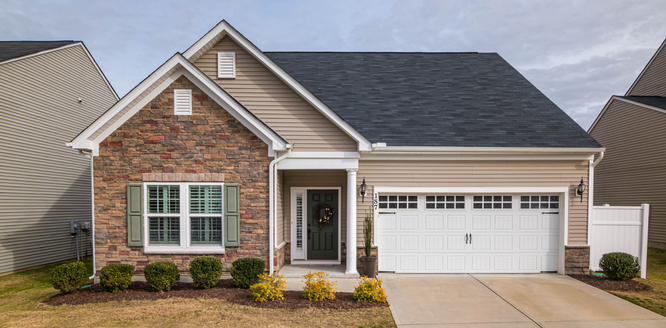
Home is your place of rest and relaxation. Signet Insurance Group can help you maintain this sense of peace by ensuring the appropriate coverage to ward off the ensuing stress of any anxiety-provoking accidents or mishaps in a home or other residential property you own.

Renters
Insurance
You have a lot of things that are important to you – from clothes and furniture to electronics and sports gear in the home you rent. Signet Insurance Group can help you feel confident that everything you’ve worked for is not at risk. Call us to help protect your family and personal property.

Flood
Insurance
Flood insurance goes beyond the coverage of a standard homeowners insurance policy to protect you from more severe types of water damage such as heavy rain, melting snow and severe storms. Signet Insurance Group can help you find the best flood policy protection.
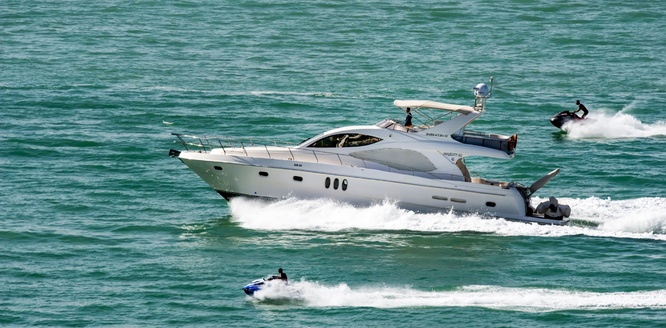
Boat & Watercraft Insurance
If you enjoy life by the water in your spare time, you’ve likely got a watercraft or two to protect to accompany this lifestyle. We’ve got the knowledge and insight to help you choose the correct coverage to ensure your recreational activities stay safe.

Umbrella Insurance
Extra liability insurance coverage provides a layer of security to those who desire protection from libel, slander, vandalism, invasion of privacy and more. Umbrella Insurance is ideal for those who live dangerously or whose assets surpass the norm.
